







Psoriasis: Diagnosis and treatment
Wondering if you have psoriasis?
A board-certified dermatologist can tell you. These doctors specialize in diagnosing and treating diseases that affect the skin, hair, and nails, and psoriasis can affect all three.

How do dermatologists diagnose psoriasis?
To diagnose psoriasis, a dermatologist will examine your skin, nails, and scalp for signs of this condition. Your dermatologist will also ask if you have any:
Symptoms, such as itchy skin
Nail problems, such as thickening or yellowing nails or nail pain
Joint problems, such as pain and swelling or stiffness when you wake up
Blood relatives who have psoriasis
Recent changes in your life, such as an illness or increased stress
Sometimes, a dermatologist will remove a small piece of skin. This is called a skin biopsy. By looking at the removed skin under a microscope, a doctor can confirm whether you have psoriasis.
Psoriasis can appear on the skin in different ways
In darker skin tones, psoriasis tends to cause thicker plaques and more scale than in people with lighter skin tones.

How do dermatologists treat psoriasis?
If you have psoriasis, your dermatologist will create a treatment plan that meets your individual needs. An individualized treatment plan has many benefits. It can relieve symptoms like itching. It can help you see clearer (or clear) skin. It can also prevent psoriasis from worsening.
To create an individualized plan, your dermatologist will consider the:
Type(s) of psoriasis you have
Places psoriasis appears on your body
Severity of the psoriasis
Impact psoriasis has on your life
Other medical conditions you have
Medications you are taking
The goals of psoriasis treatment are to:
Relieve symptoms like itch
Improve your skin health by removing scale and clearing psoriasis
Treat nail changes if you have them
Reduce joint pain if you also have psoriatic arthritis
There is no one best treatment for psoriasis, and no one treatment works for everyone. Your dermatologist may choose one specific treatment or prescribe two or more treatments.
When treating psoriasis, it’s important to keep in mind that you may need to try a few different treatments or combinations of treatments before you find the treatment that works best for you. During this time, your dermatologist will refine your treatment plan.
Your treatment plan may include one or more of the following:
Medication that you apply to your skin: Most people treat psoriasis with this type of medication. If you have mild psoriasis, this is often the only treatment you need.
Topical (applied to the skin) medication may also be part of a treatment plan for patients with more extensive psoriasis. For these patients, a topical medication may be used along with light therapy or medication that works throughout the body like methotrexate or a biologic.
The topical medications that dermatologists use to treat psoriasis include:
Corticosteroids
Many patients use this medication to treat psoriasis. A corticosteroid works quickly and is available in many strengths, which makes it beneficial for treating all types of psoriasis from the very mild to thick plaques.
For more information about this medication, go to Psoriasis treatment: Corticosteroids you apply to the skin.
Synthetic vitamin D
Also called a vitamin D analog, this medication differs from the oral supplements that people take when they need to get more vitamin D. This synthetic form has been tweaked to treat psoriasis.
To find out how it’s used, go to Psoriasis treatment: Synthetic vitamin D.
TCI (topical calcineurin inhibitor)
This medication is often used to treat psoriasis in areas with thinner skin, such as the face, neck, or body folds. In these areas, a TCI can be quite effective.
For more information, go to Psoriasis treatment: Tacrolimus ointment and pimecrolimus cream.
Salicylic acid
An effective acne treatment, salicylic acid has also been used to treat psoriasis for many years. It helps to reduce the scale and soften psoriasis plaques.
Salicylic acid is often prescribed along with another medication like a corticosteroid.
This medication should not be used to treat a child.
If you’re pregnant, talk with your dermatologist before using salicylic acid. Low concentrations of this medication can be safe to use during pregnancy. Your dermatologist can tell you how much you use.
Tazarotene
A retinoid that you apply to your skin, tazarotene can be used alone or along with a corticosteroid to treat plaque psoriasis.
To learn more about this medication, go to Psoriasis treatment: A retinoid applied to the skin.
Roflumilast cream or foam
Roflumilast works by decreasing the inflammation that leads to psoriasis. Having less inflammation can significantly reduce itchiness and signs of psoriasis, such as discoloration and plaques. Some patients see clear or almost-clear skin.
If roflumilast is right for you, your dermatologist may prescribe a cream or a foam. Both the cream and foam are applied once a day, as instructed.
These medications can be used for as long as needed.
Roflumilast cream: The U.S. Food and Drug Administration (FDA) has approved this medication to treat patients 6 years of age and older who have plaque psoriasis on their skin. It’s prescribed to treat mild, moderate, or severe disease.
Roflumilast cream can also effectively treat a type of psoriasis called inverse (aka intertriginous or flexural) psoriasis, which affects areas of the body where skin touches skin, such as the armpits or groin.
In the studies that led the FDA to approve roflumilast cream, this medication worked quickly to reduce the itch and clear psoriasis.
Possible side effects of the cream include diarrhea, headache, and feeling sick to your stomach (nausea).
Roflumilast foam: The FDA has approved this medication to treat plaque psoriasis on the scalp and body. It’s approved to treat patients 12 years of age and older.
Studies show that applying roflumilast foam once a day can reduce signs and symptoms on the skin and scalp, including itch. Roflumilast foam may be all the treatment some patients need to control psoriasis on their body and scalp.
Possible side effects of the foam include mild upper respiratory infection like a cold, feeling sick to your stomach (nausea), and headache.
Brand name: Zoryve
Tapinarof cream
This cream is prescribed for adults who have mild, moderate, or severe psoriasis. It can be applied anywhere on the body, including the face. It’s usually applied once a day to skin with psoriasis.
In the studies that led to this medication’s approval, about 40% of the patients were clear or almost clear after 12 weeks of using this medication. When patients cleared and stopped using the cream, on average, they stayed clear for 12 weeks. The most common side effect is a skin reaction.
Coal tar
This medication has been used for more than 100 years to treat psoriasis. Today, you’ll find coal tar in many different products used to treat psoriasis.
To learn more about using coal tar to treat psoriasis, go to Psoriasis treatment: Coal tar.
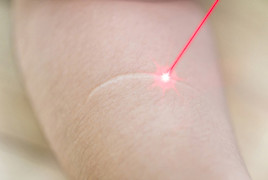
Light therapy: This treatment uses special light bulbs or lasers to treat psoriasis.
Only use light therapy under a dermatologist’s supervision. Treating yourself by using a tanning bed or lying in the sun can cause skin damage like sunburn, which can worsen psoriasis. Over time, exposure to ultraviolet light (UV) from the sun or tanning beds can also cause skin cancer.
To learn more about light therapy that dermatologists prescribe, go to: Psoriasis treatment: Light therapy.
You’ll also find light treatments that you can use at home to treat psoriasis. These devices have limitations. You’ll find information about one such device at Can a wearable blue light clear psoriasis?
Medication that works throughout the body: Some people need strong medication to treat their psoriasis, especially if the psoriasis also affects their joints. For these people, medication that works throughout the body may be the best option.
If you need medication that works throughout the body, your dermatologist may prescribe one or more of these medications that’s FDA approved to treat psoriasis:
Apremilast
This is a pill that’s taken twice a day. Apremilast is used to treat plaque psoriasis and psoriatic arthritis. It can be taken by patients with complex medical issues who cannot be prescribed other medication that works throughout the body.
You’ll find information about how to take this medication, possible side effects, and more at Psoriasis treatment: Apremilast.
Biologic or a biosimilar
For many people, taking a biologic is life-changing because it helps control psoriasis, psoriatic arthritis, or both when other treatments fail. A biologic may be prescribed alone or along with another psoriasis treatment. To learn more about biologics, go to Psoriasis treatment: Biologics.
A biosimilar is a medication that is very similar to a biologic, but may cost less than the original biologic. For more information about biosimilars, read Biosimilars: 14 questions patients ask their dermatologist.
Cyclosporine
This medication comes in pill form and is prescribed for people who have extensive or disabling psoriasis. It tends to work quickly.
Find out how long people typically take cyclosporine, what to avoid when taking it, and more at Psoriasis treatment: Cyclosporine.
Methotrexate
Used for more than 40 years to treat psoriasis, this medication is prescribed to treat severe, disabling psoriasis. If this medication is part of your treatment plan, you should not drink alcohol while on methotrexate.
To find out what else you should know, go to Psoriasis treatment: Methotrexate.
Oral peptide (pill)
An oral peptide is a class of medication. When taken to treat psoriasis, it works by blocking signals in your body that lead to inflammation. Decreasing inflammation can reduce psoriasis symptoms and lead to clearer skin.
The U.S. Food and Drug Administration (FDA) has approved the oral peptide, icotrokinra, for patients who are 12 years of age and older who have moderate-to-severe plaque psoriasis. A patient must also weigh at least 88 pounds and have psoriasis that could benefit from light treatments or medication that works throughout the body.
The oral peptide icotrokinra is a once-a-day pill. You take it on an empty stomach when you wake up. After taking icotrokinra, you wait at least 30 minutes before eating.
During clinical trials, both adults and children aged 12+ received this medication. Results from several trials indicate that icotrokinra can effectively treat plaque psoriasis. This includes areas that are more difficult to treat, such as the genitals, scalp, hands, and feet. After taking icotrokinra for 16 weeks, 76.5% of patients with genital psoriasis were clear or almost clear, as were 65% of patients with scalp psoriasis and 42% with hand and foot psoriasis.
In clinical trials, the most common side effects were mild — headache, nausea, cough, fungal infection, and feeling tired. Side effects were the same for adults and children.
Brand name: Icotyde
Retinoid pill (acitretin)
Approved to treat severe psoriasis, acitretin can effectively treat different types of psoriasis like plaque, guttate, and pustular psoriasis.Unlike many psoriasis treatments that work throughout the body, acitretin doesn’t suppress your immune system.
If you are pregnant or planning to become pregnant, you should not take acitretin.
You’ll find information about how to take it, possible side effects, and more at Psoriasis treatment: Oral retinoids.
TYK2 inhibitor
Deucravacitinib is a medication that has been approved by the U.S. Food and Drug Administration (FDA) to treat adults who have moderate-to-severe plaque psoriasis. This medication belongs to a class of medication called a TYK2 inhibitor. Deucravacitinib works on your immune system, helping to prevent the inflammation that causes psoriasis. Decreased inflammation can lead to clearer skin.
If you haven’t gotten the results you want from other treatments for moderate-or-severe psoriasis, this medication may be an option.
Deucravacitinib is a pill that you take once a day, with or without food.
In clinical trials, about half the patients taking deucravacitinib had 75% or greater clearing of their psoriasis after taking this medication for 16 weeks. By continuing to take deucravacitinib, many patients were able to maintain clearer skin and have fewer symptoms like less itching.
During clinical trials that ran for as long as 4 years, the most common side effect was the common cold. Deucravacitinib may also increase an enzyme in your blood called creatine phosphokinase (CPK). This increase can indicate that you have muscle damage. Tell your dermatologist right away if you develop muscle problems (any pain, weakness, or tenderness in your muscles) have a fever, feel very tired, or see dark-colored urine. Other possible side effects include shingles and mouth sores.
Brand name: Sotyktu
Finding the right treatment can be challenging. Sometimes, a medication used to treat another condition works best for treating severe psoriasis. To learn more about these medications, go to Psoriasis treatment: Off-label medications that work throughout the body.
Follow up appointments are essential
After you’ve received your psoriasis treatment plan, your dermatologist will want to see you for follow-up appointments. These appointments can be helpful because your dermatologist will:
Find out how well the treatment plan is working for you
Modify your treatment plan if necessary
Watch for signs of psoriatic arthritis, a disease that you want to catch early
Look for signs that psoriasis is affecting your nails
Assess your risk of developing other diseases that are more common in people with psoriasis like high blood pressure and diabetes
Help you set realistic expectations for managing your psoriasis
Your dermatologist can also answer questions you have about treating psoriasis. Common questions that patients ask include:
Skin care also plays an important role in treating psoriasis because it can help reduce flare-ups. Find out what dermatologists recommend at Psoriasis: Tips for managing.
Related AAD resources
Images
Image 1: Getty Images
Image 2: Used with permission of the Journal of the American Academy of Dermatology. (J Am Acad Dermatol 2011;65:164.)
Image 3: Used with permission of the American Academy of Dermatology National Library of Dermatologic Teaching Slides.
References
Armstrong AW, Gooderham M, et al. “Deucravacitinib versus placebo and apremilast in moderate to severe plaque psoriasis: Efficacy and safety results from the 52-week, randomized, double-blinded, placebo-controlled phase 3 POETYK PSO-1 trial.” J Am Acad Dermatol. 2023;88(1):29-39.
Armstrong AW, Lebwohl M, et al. “Deucravacitinib in plaque psoriasis: Four-year safety and efficacy results from the Phase 3 POETYK PSO-1, PSO-2 and long-term extension trials.” J Eur Acad Dermatol Venereol. 2025 Jul;39(7):1336-51.
Bissonnette R, Soung J, et al. “Oral icotrokinra for plaque psoriasis in adults and adolescents.” N Engl J Med. 2025 Nov 6;393(18):1784-95.
Chandy RJ, Dao DD, et al. “Noncorticosteroid topical therapies for the treatment of plaque psoriasis: A narrative review.” J Pharm Technol. 2023 Oct;39(5):247-55.
DailyMed. Drug Label Information. Label for Zoryve cream (last updated July 11, 2024) and label for Zoryve foam (last updated May 27, 2025). Last accessed June 17, 2025.
Elmets CA, Korman NJ, et al. “Joint AAD-NPF Guidelines of care for the management and treatment of psoriasis with topical therapy and alternative medicine modalities for psoriasis severity measures.” J Am Acad Dermatol. 2021 Feb;84(2):432-70.
Gooderham MJ, Alonso-Llamazares J, et al. “Roflumilast foam, 0.3%, for psoriasis of the scalp and body: The ARRECTOR phase 3 randomized clinical trial.” JAMA Dermatol. 2025 May 7:e251136.
Gooderham M, Lain E, et al. “Targeted oral peptide icotrokinra for psoriasis Involving high-impact sites.” NEJM Evid. 2025 Dec;4(12):EVIDoa2500155.
McKenzie S, Brown-Korsah JB, et al. “Variations in genetics, biology, and phenotype of cutaneous disorders in skin of color. Part II: Differences in clinical presentation and disparities in cutaneous disorders in skin of color.” J Am Acad Dermatol. 2022 Dec;87(6):1261-70.
Menter A, Gelfand JM, et al. “Joint American Academy of Dermatology-National Psoriasis Foundation guidelines of care for the management of psoriasis with systemic nonbiologic therapies.” J Am Acad Dermatol. 2020 Jun;82(6):1445-86.
Okundia F, Shakhashiro M, et al. “A promising oral IL-23 receptor Inhibitor for moderate-to-severe plaque psoriasis.” Skin Therapy Lett. 2026 Jan;31(1):4-7.
Strober B, Stein Gold L, et al. “One-year safety and efficacy of tapinarof cream for the treatment of plaque psoriasis: Results from the PSOARING 3 trial.” J Am Acad Dermatol. 2022 Oct;87(4):800-6.
U.S. Food and Drug Administration, package inserts:
Deucravacitinib tablets, (revised March 2026). Last accessed April 23, 2026.
Icotrokinra tablets, (revised March 2026). Last accessed April 21, 2026.
U.S. National Library of Medicine. “Trial of PDE4 inhibition with roflumilast for the management of plaque psoriasis (DERMIS-1).” Last updated December 7, 2022. Last accessed January 5, 2023.
Written by:
Paula Ludmann, MS
Reviewed by:
Jennifer Adams, MD, FAAD
Lisa Akintilo, MD, MPH, FAAD
Robert Brodell, MD, FAAD
Raj Chovatiya, MD, PhD, FAAD
DiAnne Davis, MD, FAAD
Craig A. Elmets, MD, FAAD
Esteban Fernandez Faith, MD, FAAD
Laurel Geraghty, MD, FAAD
Roopal V. Kundu, MD, FAAD
William Warren Kwan, MD, FAAD
Shari Lipner, MD, PhD, FAAD
Bassel Hamdy Mahmoud, MD, PhD, FAAD
Omolara Olowoyeye, MD, FAAD
Kelley Pagliai Redbord, MD, FAAD
Sanna Ronkainen, MD, FAAD
Mario J. Sequeira, MD, FAAD
Abigail Baird Waldman, MD, FAAD
Last updated: 5/22/26