






Is vitiligo a medical condition?
Yes, vitiligo is a medical condition. People develop vitiligo when their body mistakes healthy cells as foreign and attacks the healthy cells. If you have vitiligo, your body attacks cells called melanocytes. These cells are responsible for:
Giving your skin, hair, and eyes their color
Protecting your skin from the sun’s ultraviolet (UV) rays
Helping you hear and see
Vitiligo affects more than a person’s appearance
As many people who have vitiligo are otherwise healthy and vitiligo affects a person’s appearance, vitiligo is sometimes considered a cosmetic condition. Cosmetic means the problem only affects a person’s appearance.
Vitiligo affects more than a person’s appearance. Because the body is attacking healthy cells, vitiligo is an autoimmune disease. People who have vitiligo can:
Sunburn easily. When a person has vitiligo, cells that give skin color are destroyed. This leaves the skin that has lost color without pigment to protect itself, so the skin sunburns easily.
Develop another autoimmune disease. Having vitiligo increases the likelihood of developing some other autoimmune diseases, including thyroid disease, alopecia areata, or rheumatoid arthritis.
Thyroid disease
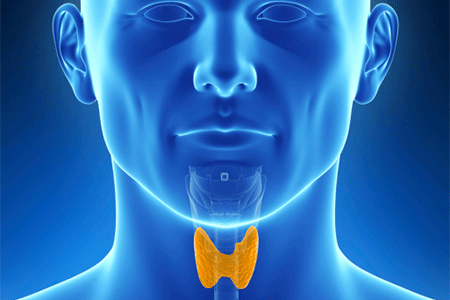
The thyroid is a butterfly-shaped organ in the neck. Some people who have vitiligo develop thyroid disease. A blood test can tell whether your thyroid is working as it should. If not, medicine can help alleviate symptoms, such as feeling cold when others feel comfortable, fatigue, constipation, and trouble losing weight.
Experience some hearing loss. When a person has vitiligo, their body attacks cells that give the skin, hair, and other parts of the body color. Some of these cells live inside the ear. If the body attacks these cells in the inner ear, the person may experience some hearing loss.

Partnering with a dermatologist helps you get needed medical care
Not everyone who develops vitiligo develops another autoimmune disease or hearing loss
Even so, it’s important to find a doctor who knows about vitiligo. Dermatologists are the skin, hair, and nails experts. Thanks to specialized training, your dermatologist knows how to:
Accurately diagnose vitiligo: Other diseases can cause the skin to lose color, including tinea versicolor and post-inflammatory hypopigmentation. Getting an accurate diagnosis is essential for effective treatment.
Select treatment tailored to your needs: Many different treatments are available for vitiligo. Your dermatologist knows how to create a treatment plan that can help restore your skin color and prevent new areas of color loss. Often, such a treatment plan requires prescribing two or more treatments and using them in a specific way.
Address your concerns: Some people choose not to restore their skin color. One such patient wanted relief from the pain she felt every time she went outdoors when her skin with vitiligo wasn’t covered. Parents often want to camouflage their child’s vitiligo rather than treat it. Dermatologists help with these and other concerns.
Discover how one dermatologist stopped the pain her patient felt every time she went outdoors.Watch you for signs of another autoimmune disease: Some patients with vitiligo develop another autoimmune disease. Your dermatologist will monitor you. If you develop symptoms that could indicate you’ve developed another autoimmune disease, your dermatologist can help. If the disease affects your skin, hair, or nails, your dermatologist can diagnose and treat you. Should the disease affect another area of your body, your dermatologist will refer you to the appropriate doctor.
Monitor you for hearing loss: The inner ear contains melanocytes. If the body attacks melanocytes in the ear, hearing loss can occur. It’s estimated that between 12% and 38% of people with vitiligo have some hearing loss. However, most people are unaware that they have hearing loss. Your dermatologist can help find hearing loss. Detecting hearing loss early can improve hearing and prevent further loss.
Vitiligo can affect your health and well-being. No one understands vitiligo better than your board-certified dermatologist. To find a dermatologist near you, go to Find a dermatologist.
Images
References
Gill L, Zarbo A, et al. “Comorbid autoimmune diseases in patients with vitiligo: A cross-sectional study.” J Am Acad Dermatol. 2016 Feb;74(2):295-302.
Hong S, Lim H, et al. “Biological roles of melanin and natural product-derived approaches for its modulation.” Int J Mol Sci. 2026 Jan 8;27(2):653.
Parsad D, Dogra S, et al. “Quality of life in patients with vitiligo.” Health Qual Life Outcomes. 2003 Oct 23;1:58.
Passeron T, Ortonne JP. “Vitiligo and other disorders of hypopigmentation.” In: Bolognia JL, et al. Dermatology. (fourth edition). Mosby Elsevier, China, 2018: 1087-96.
Zhang H, Xia M, et al. “Implication of immunobiological function of melanocytes in dermatology.” Clin Rev Allergy Immunol. 2025 Mar 17;68(1):30.
Written by:
Paula Ludmann, MS
Reviewed by:
Jennifer Adams, MD, DTM&H, FAAD
Estaban Fernandez Faith, MD, FAAD
John E. Harris, MD, PhD, FAAD
Roopal Kundu, MD, FAAD
William Warren Kwan, MD, FAAD
Darrell S. Rigel, MD, MS, FAAD
Desmond Shipp, MD, MSBS, FAAD
Last updated: 4/15/26